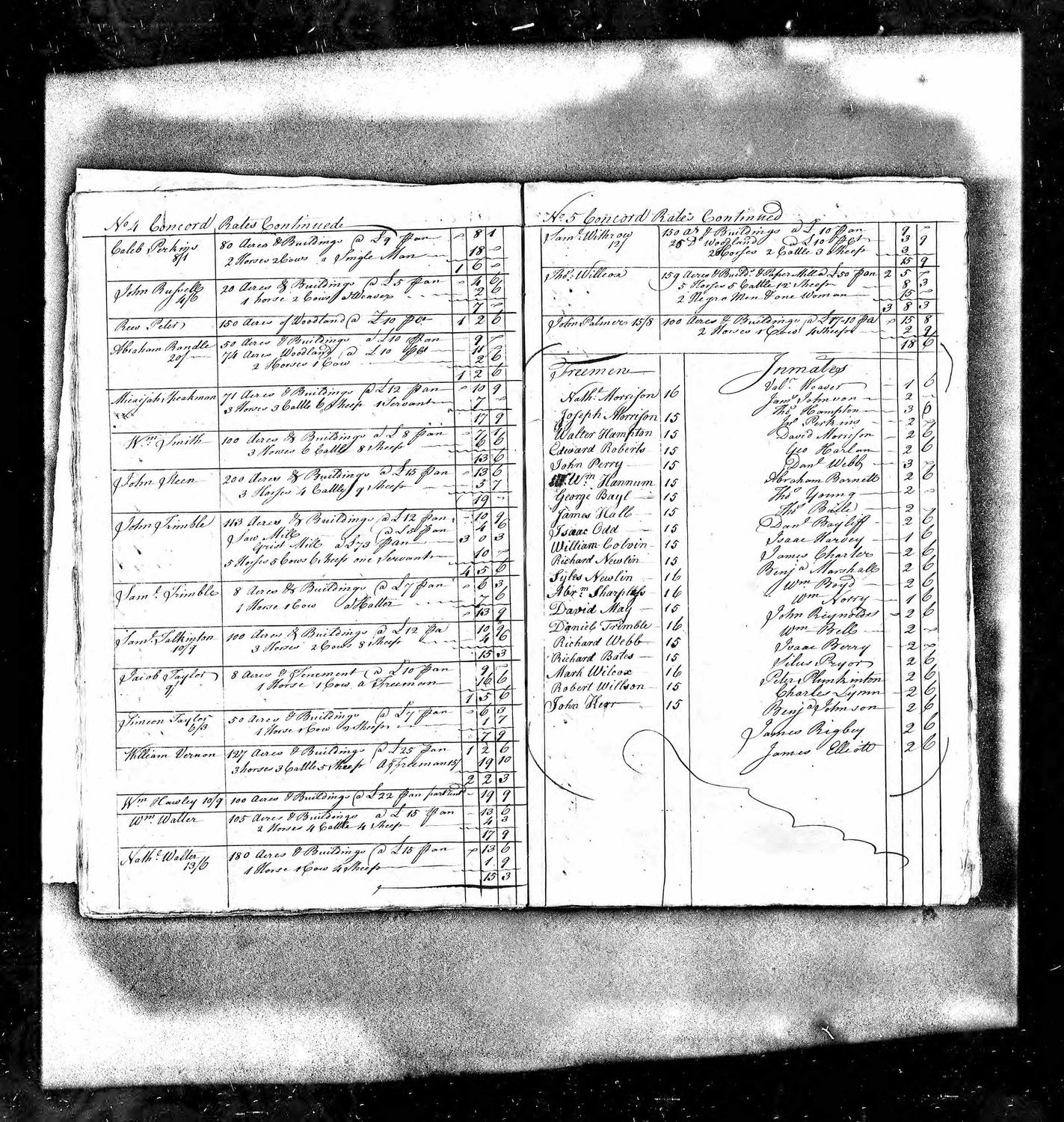
On the morning of 11 September 1777, in a rented room somewhere near Village Green, a schoolmaster heard artillery eight miles west and sent his pupils home. That sentence is the only thing about James Rigby that anyone outside the family has ever repeated. Everything else has had to be reassembled from tax rolls, a parish minute book and nine months of Quaker disciplinary minutes.
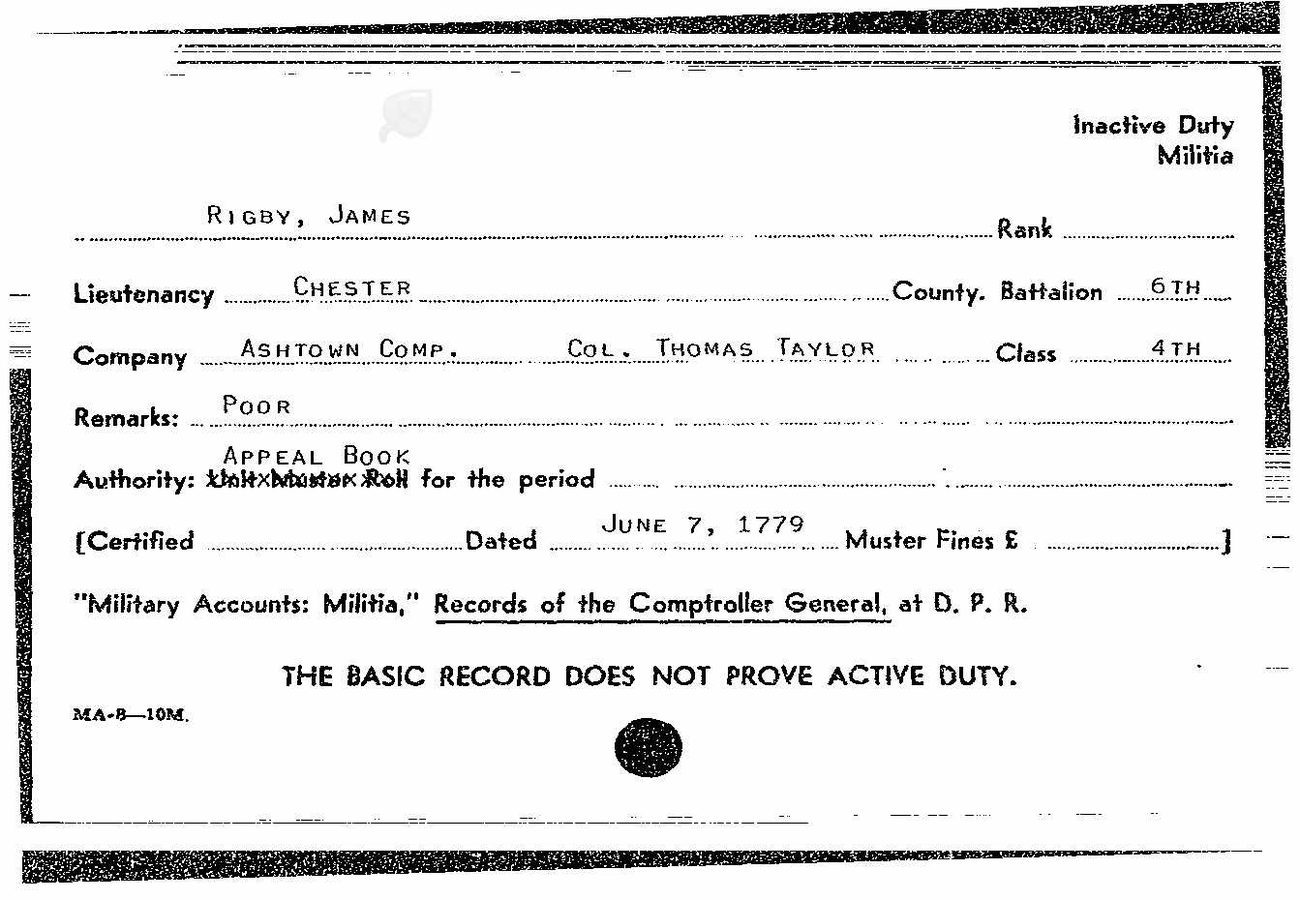
What comes out of them is a particular kind of eighteenth-century life. He was clerk of St Martin’s Church at Marcus Hook for thirty-one years — a paid Anglican office, at a chapel eight to ten miles from where he lived, which he travelled to for three decades. He was assessed as a schoolmaster in two townships and enumerated as one in a third. And in seven townships across thirty years he never once owned the ground he stood on: a tenement at four pounds a year here, a house and lot at five pounds ten there, and one Concord rate that files him under the assessors’ own heading for a landless married householder — Inmates. In 1779 the county appeal book recorded him in one word: POOR.
His wife Hannah Brown was a Friend. She married him before a clergyman, and Concord Monthly Meeting spent nine months on the question before restoring her. Their household stood in two communions for the whole of the marriage — and the paperwork of that split is why we can date a marriage nobody recorded, name her father, and prove her husband’s religion two years before his own church first names him.
Their son Eli made nails by hand at Doe Run, moved back east, and left a will dividing his estate into eighths that distributes only seven. The missing eighth is a son the will does not name — and he is the ancestor of the Rigbys who ran an undertaking business in Media for four generations.
Start here
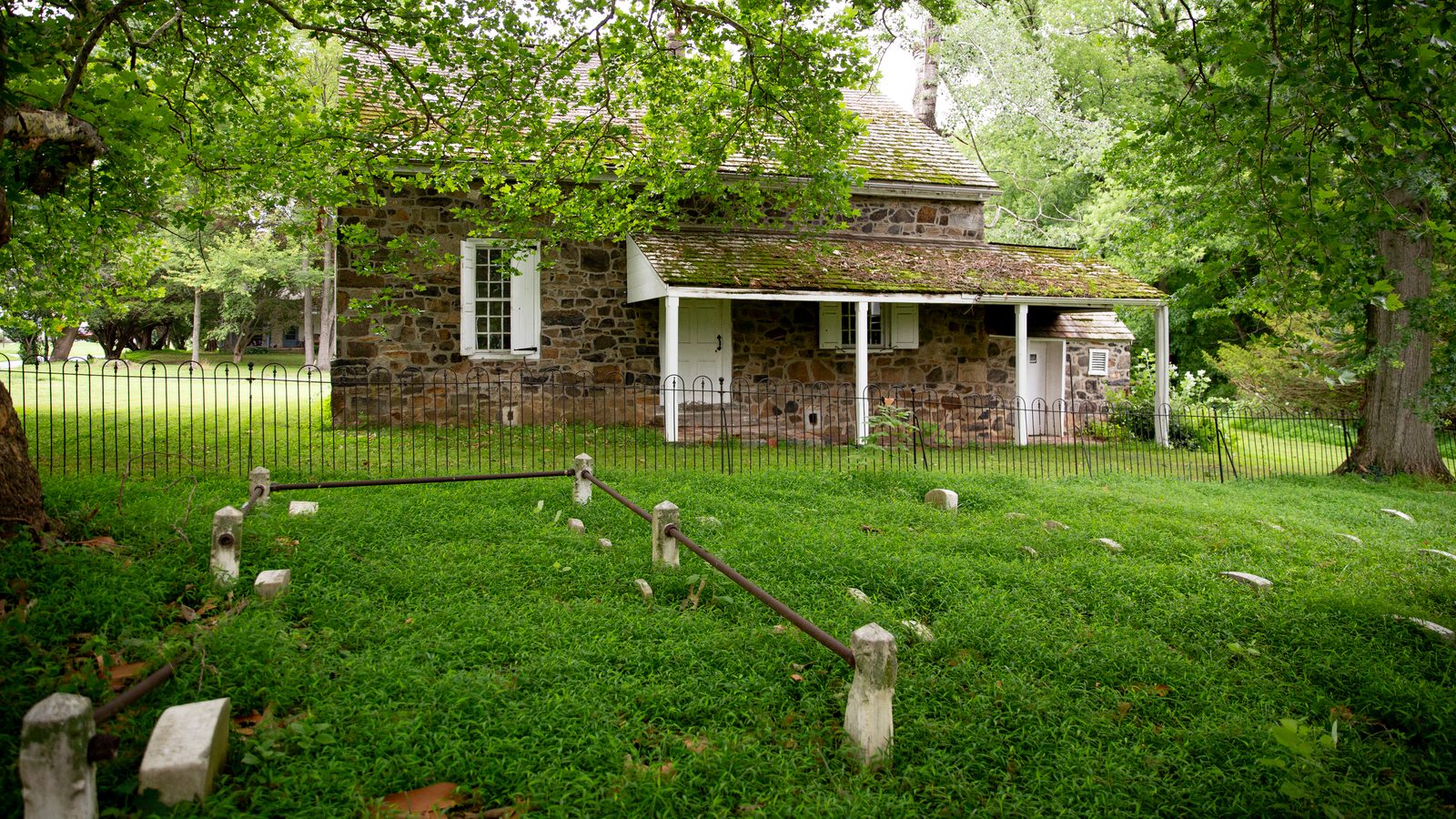
The line of descent
Ten generations from the schoolmaster to the present, with the one joint that carries the most weight and the least direct evidence marked as such.
Places
Seven townships on a real map. The clerk’s commute, the eight miles the guns carried, and the second James Rigby’s cluster sitting visibly apart.
Sources
Twenty-four documents: what each one establishes, which are held, and which are still to be obtained.
Journal
Short entries as the research happens — one document, one correction, one dead end at a time. Three so far, two of them corrections to this site.
The people
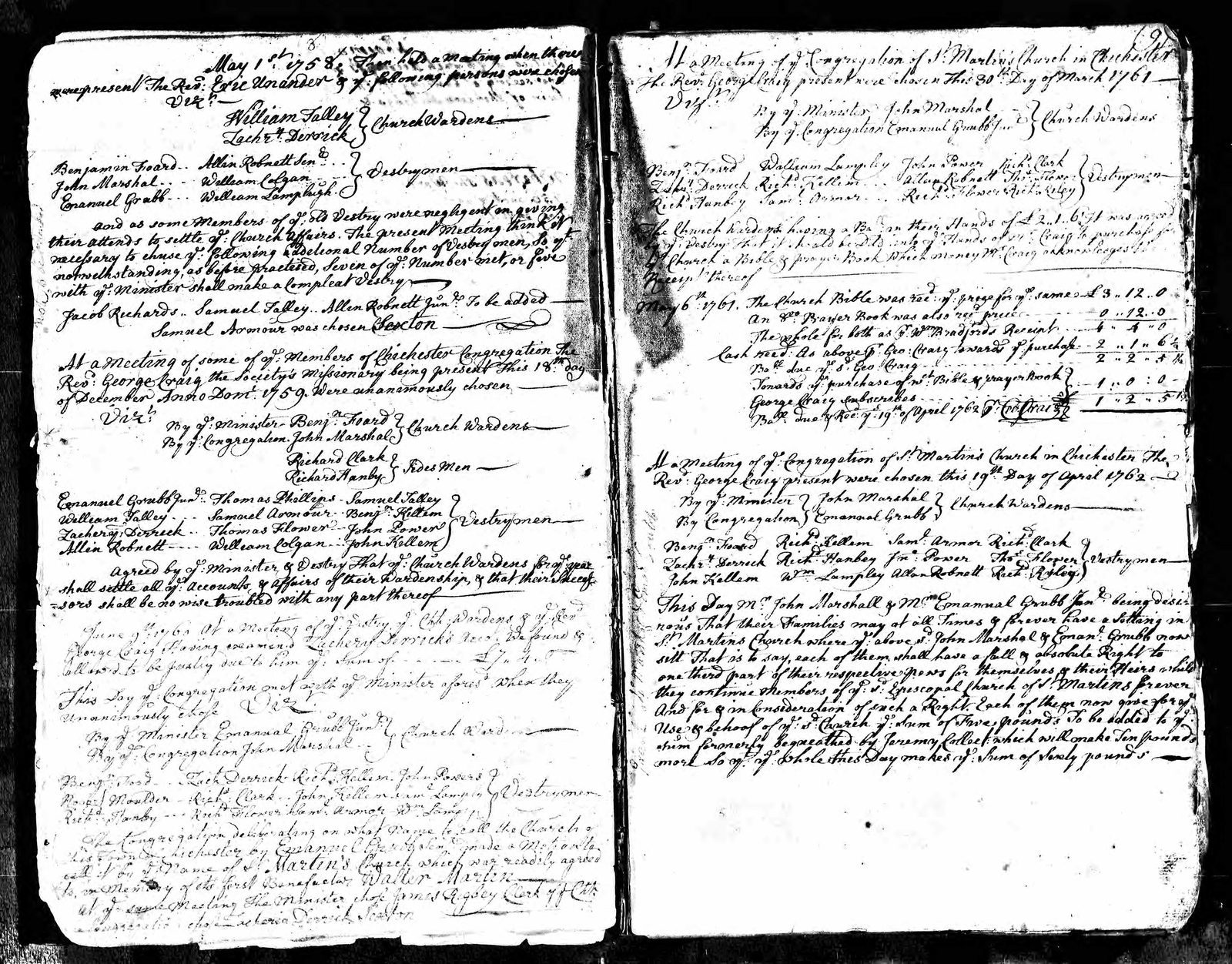
James Rigby
Schoolmaster at Village Green; clerk of St Martin’s, Marcus Hook, 1760–1791. Eight documents transcribed in full on the page.
Hannah Brown
Daughter of Daniel Brown of Upper Chichester. Disowned by Concord Monthly Meeting in 1758, restored nine months later, buried at Chichester in 1824.
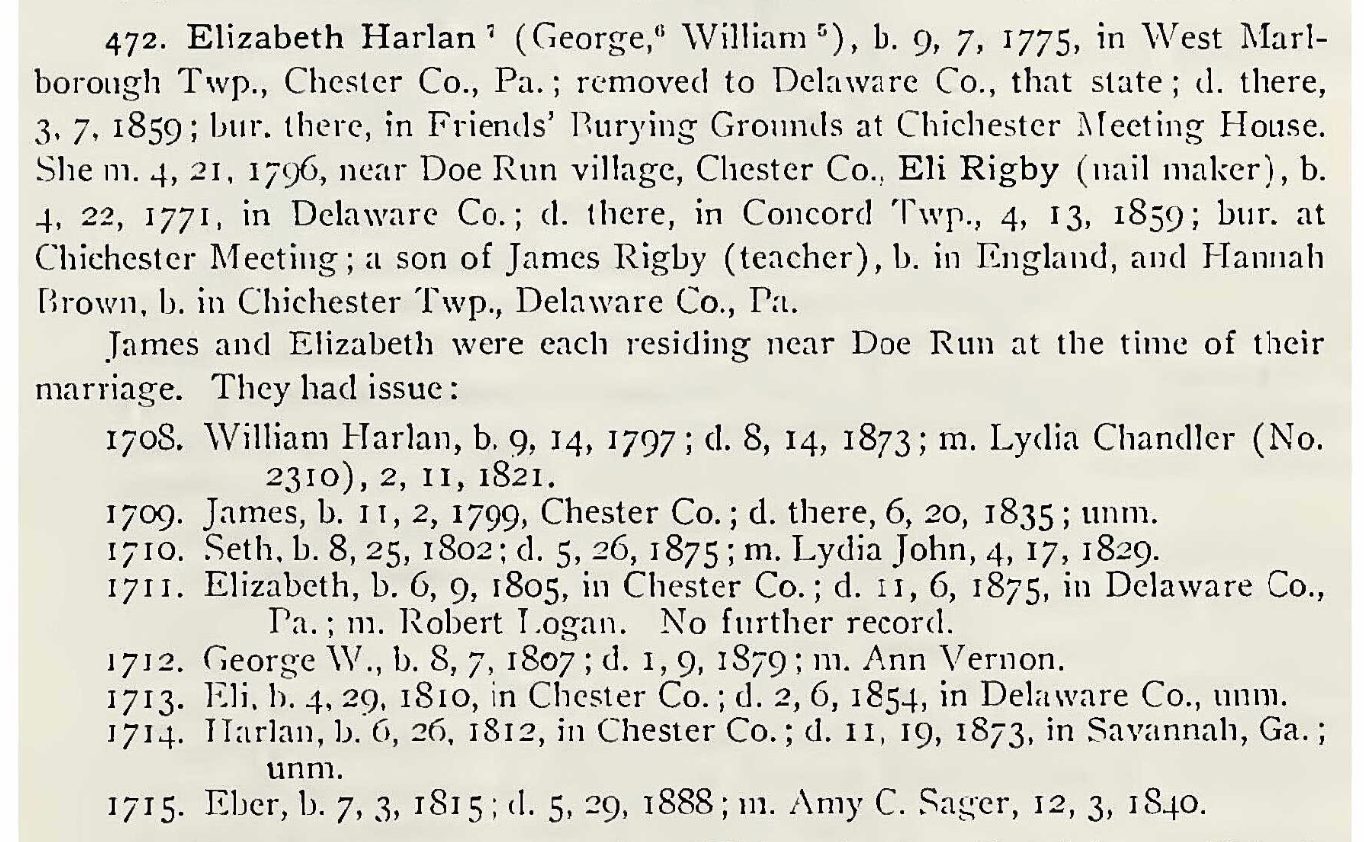
Eli Rigby
Nail maker, of Doe Run then Concord Township. Married Elizabeth Harlan in 1796; eight children; the will in eighths.
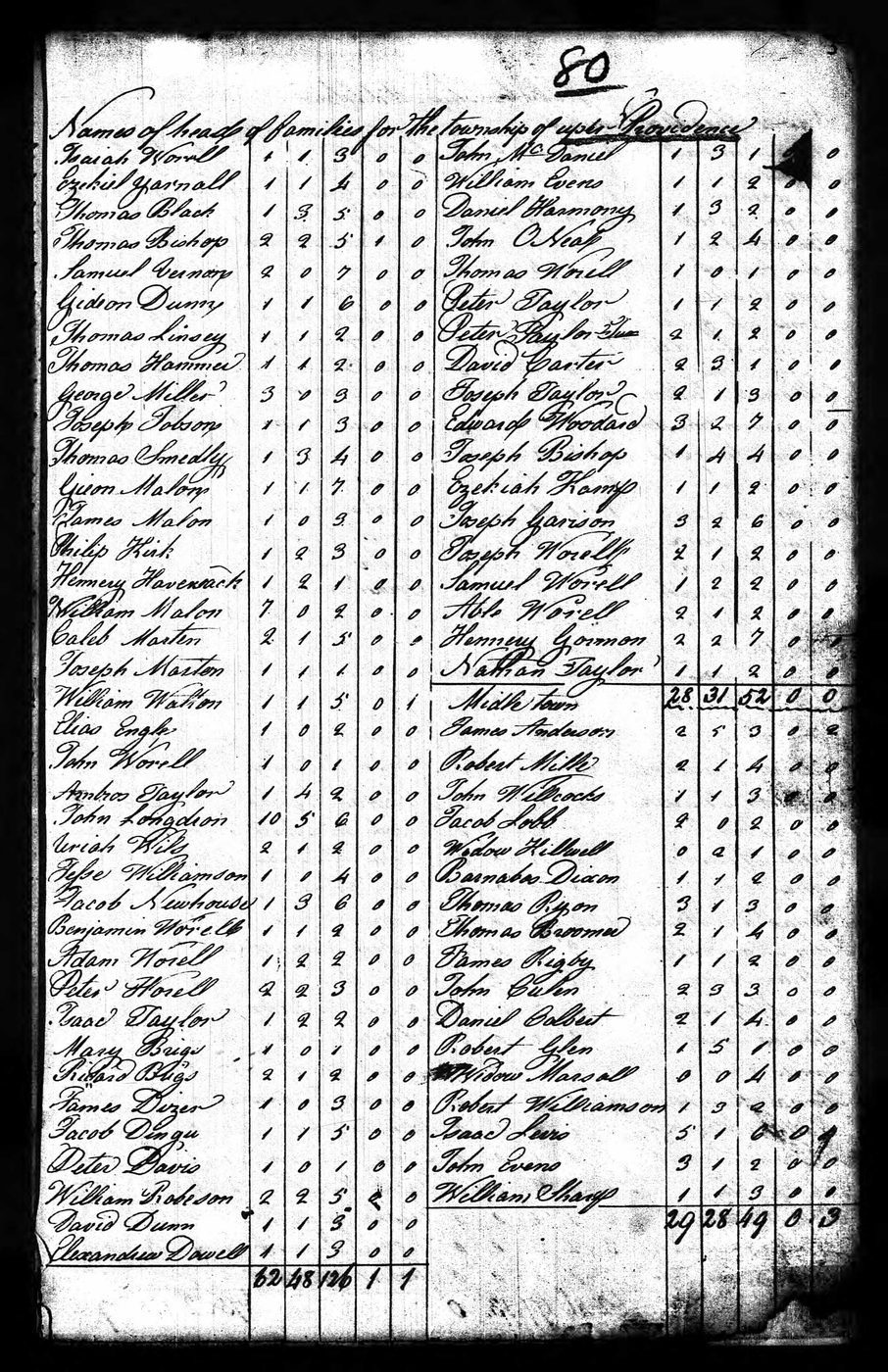
Index of people
Everyone named on this site, alphabetically — including the neighbours, landlords, ministers and assessors who put these lives on paper.
By subject
Religion
An Anglican clerkship and a Quaker membership in one house — and three generations of wives read out of meeting for marrying Rigby men.
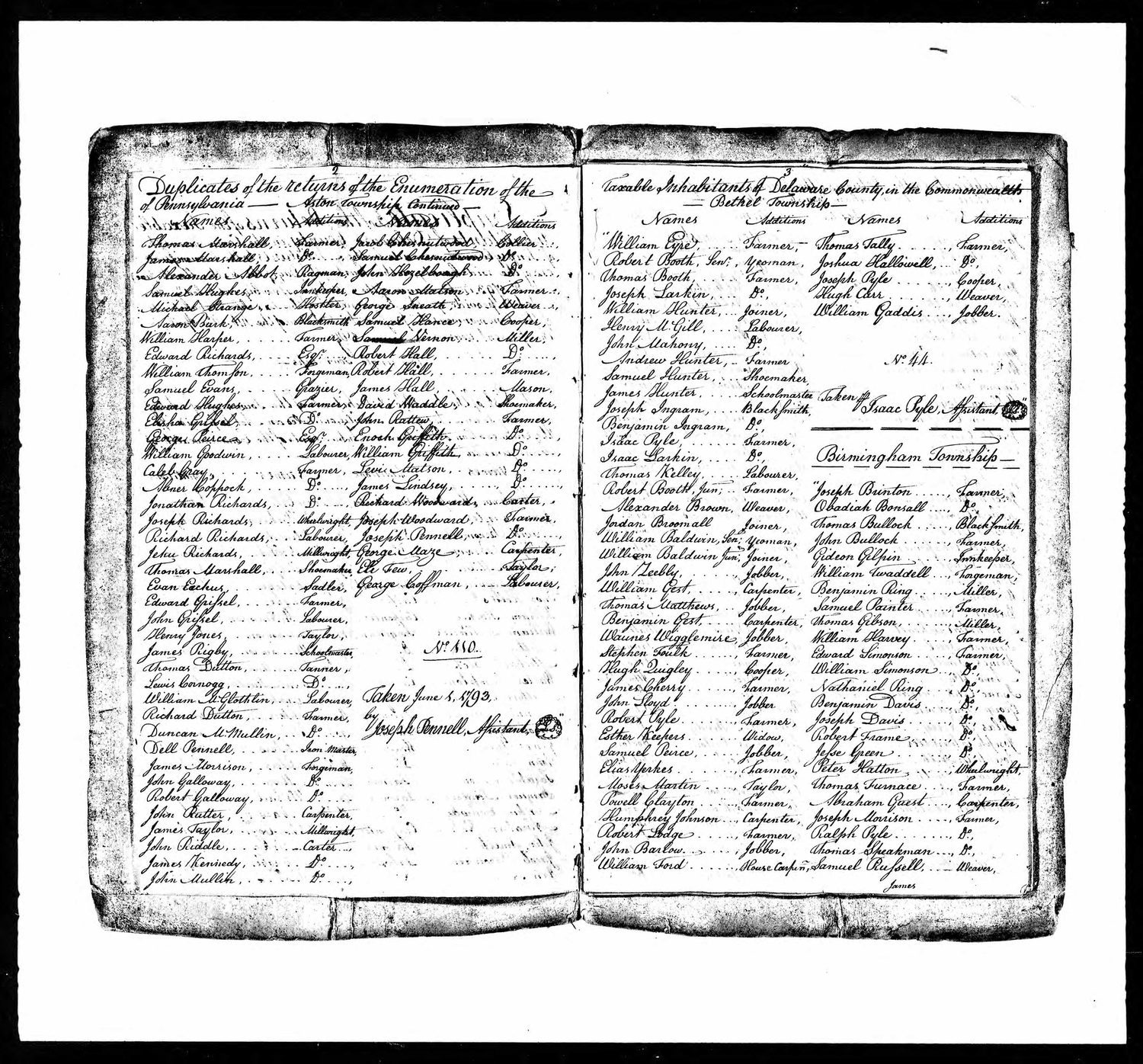
Livelihoods
Schoolmaster, nail maker, millwright, undertaker — and the tax lines that are the only reason we know any of it.
St Martin’s, Marcus Hook
An acre given in 1699, a frame house bought for five pounds, and a chapel that was never a parish — which is why it kept no register of its people.
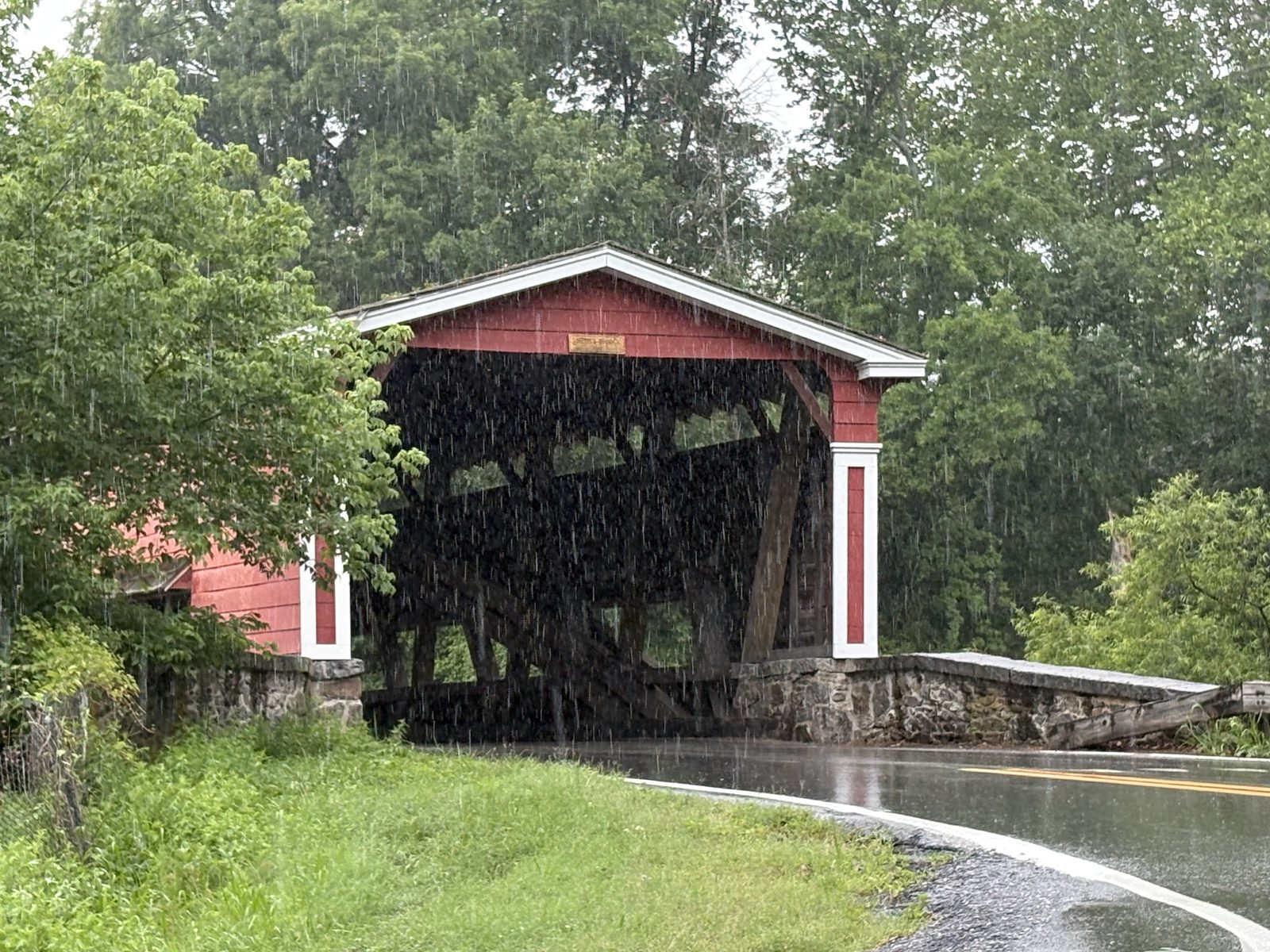
Smith’s Bridge
The maternal line: a mill seat on the Brandywine bought in 1794 and held sixty-three years.
It is worth knowing the limits before you start reading.
No birth record for James Rigby, in England or in Pennsylvania — two published genealogies say England, other sources say Pennsylvania, and the year is either 1731 or 1737. No marriage record. No burial record, and no known grave. Those three are absences with a documented cause: the parish that should have kept the registers was not keeping them, and the leaves ruled and headed for the purpose were left blank.
The joint between generations 1 and 2 is the weakest link in the line. No document says in so many words that Eli was James’s son. It rests on two compiled genealogies, on naming patterns, and on the two men occupying the same small set of townships in sequence.
The eighth share of Eli’s will is unexplained. The will declares eighths; the recorded text distributes seven. We think the missing name is George W. Rigby, on the evidence of a genealogy compiled fifty-five years later, and the will images have not yet been re-read at that clause.
And there was a second James Rigby in the same county. Some tax entries formerly attributed here belong to him. How we separated them →
This site covers the descendants of James Rigby, who died in Delaware County on 9 March 1801, and the families that married into his line. Generations 8 to 10 are living or recently deceased and are not published here — not named, not photographed, not detailed — with the single exception of the compiler. Collateral branches, including the Media funeral-home Rigbys and the western Pennsylvania line at New Castle, are held in the family archive and will appear only where the people concerned are long dead. The full policy, and how conflicting evidence is handled →